
Jemtlander Pullpac 8L
- Secure payment by Paypal or Klarna
- Klarna invoice: Order now, pay later, slice your payments!
- 30 Day Returns Policy
- Fast shipping
- MerkkiJemtlander
Kuvaus
Tuotenumero: 2247
Jemtlander Pullpac 8L
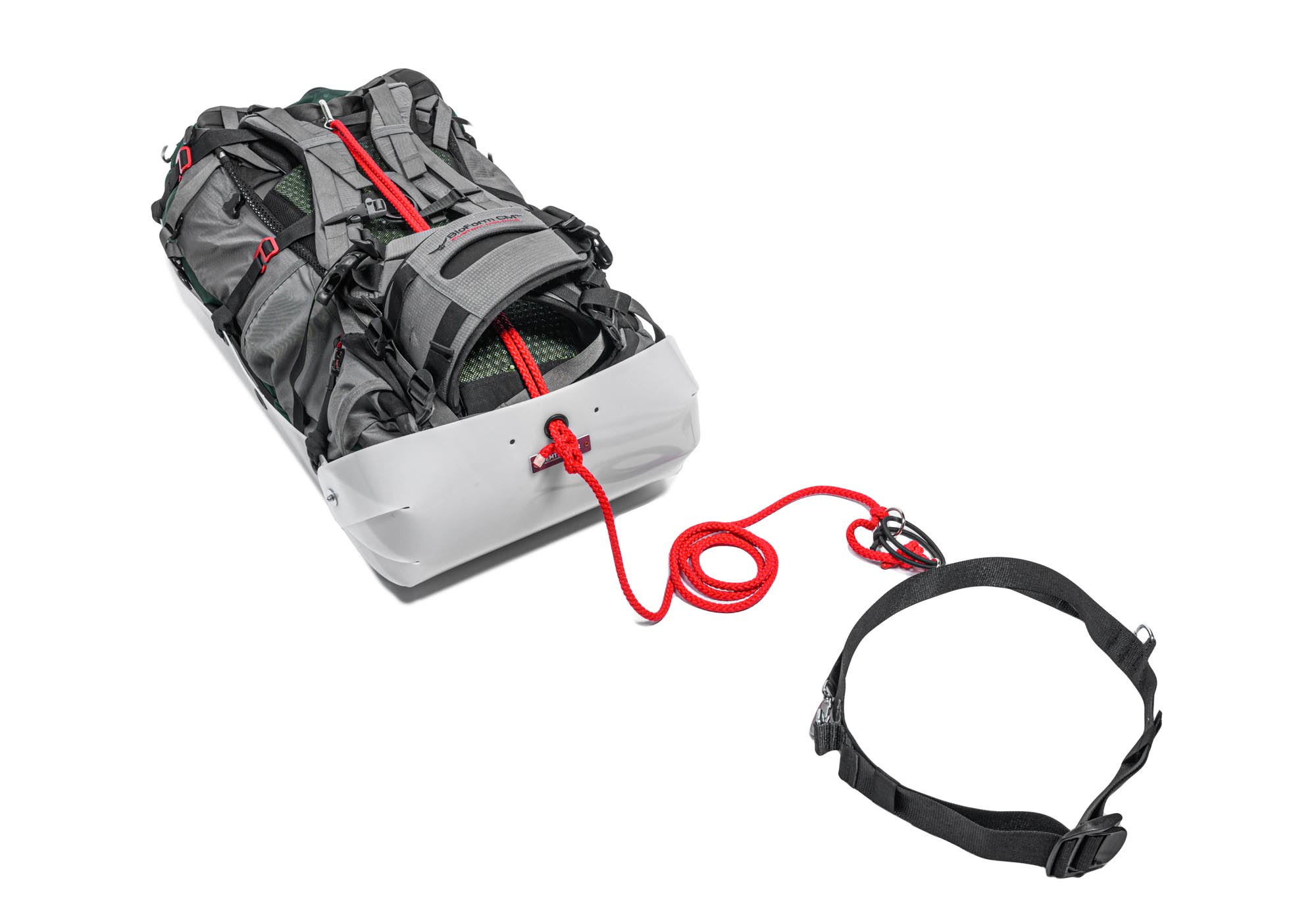
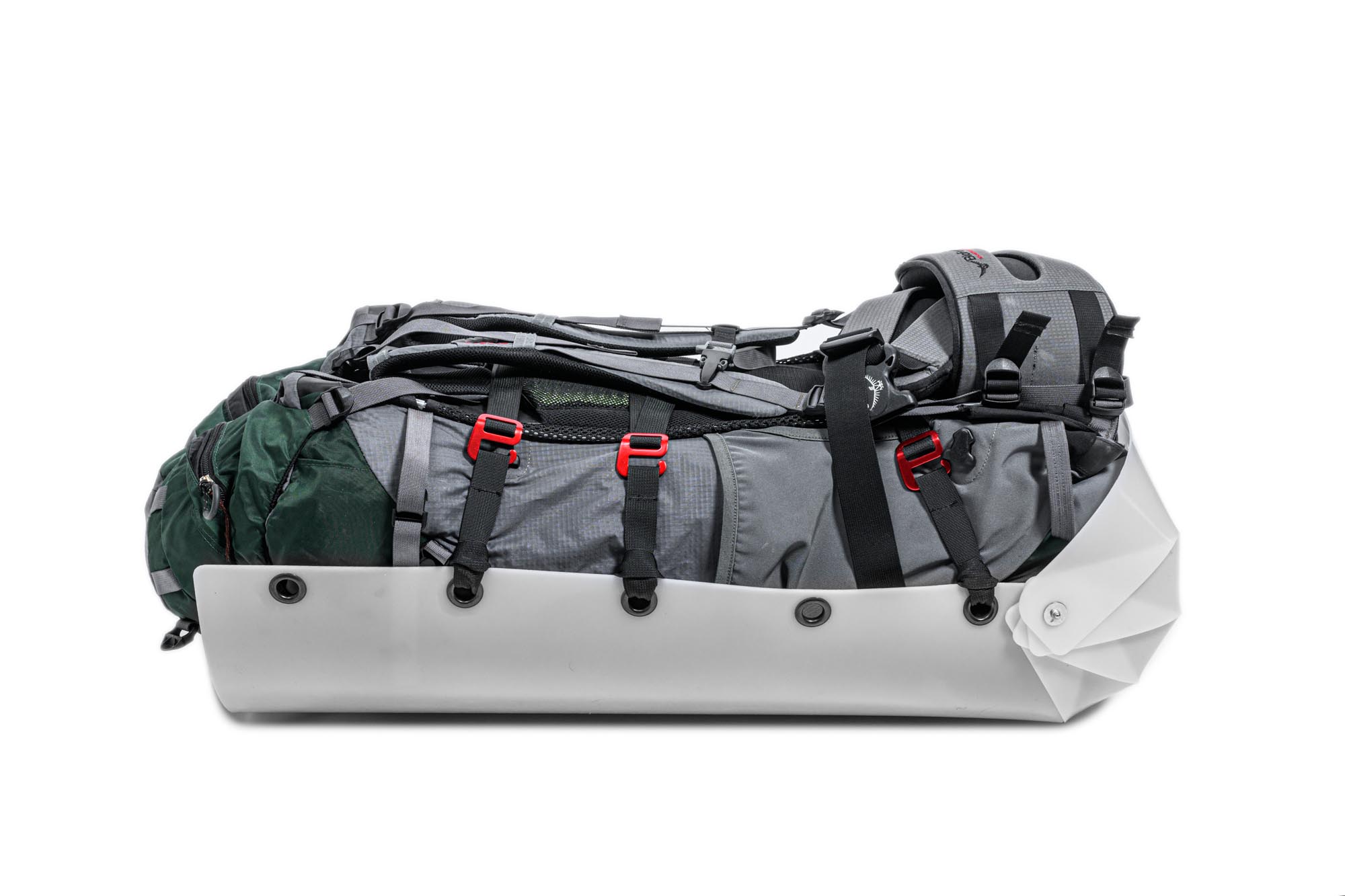
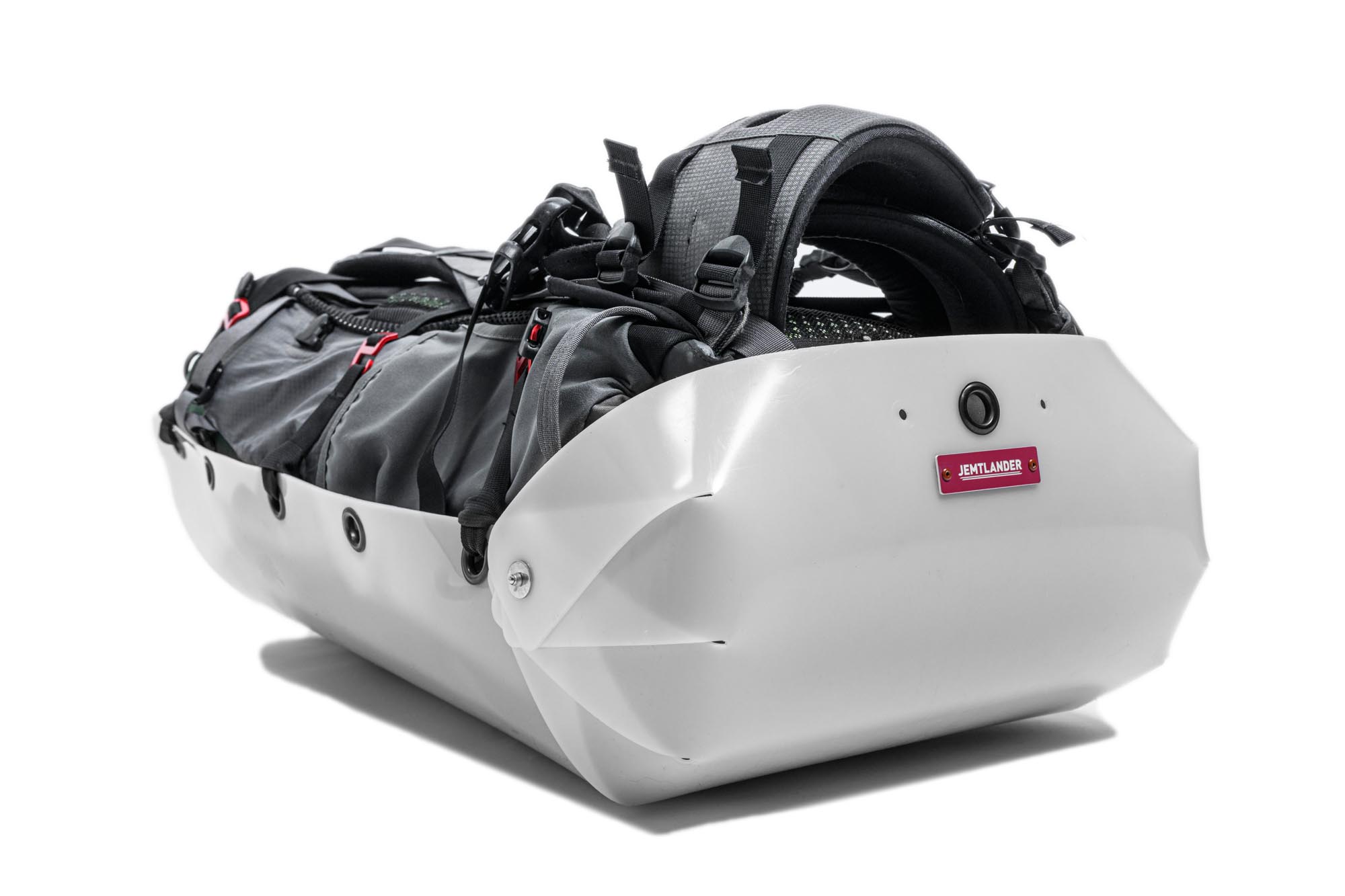
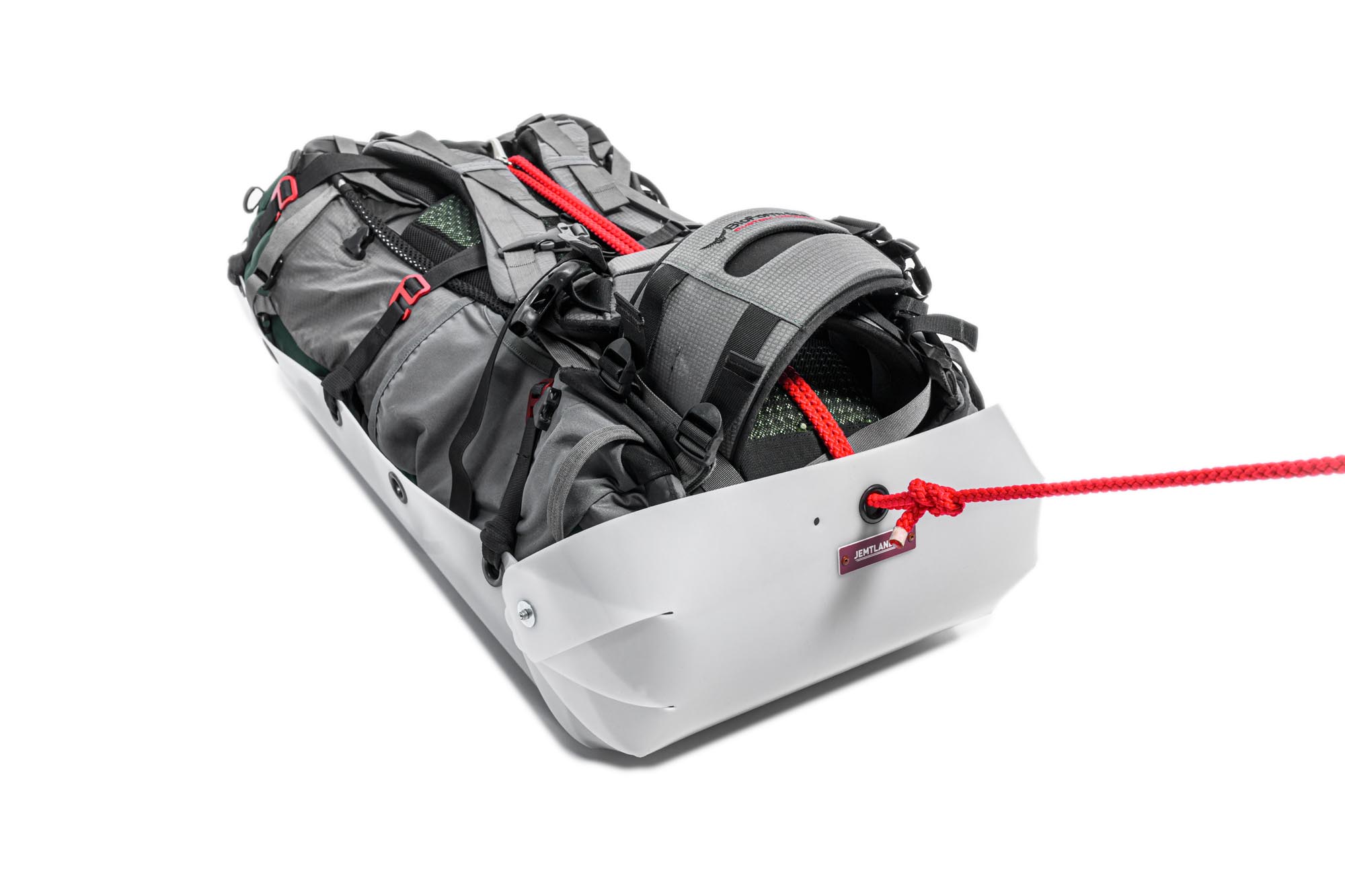
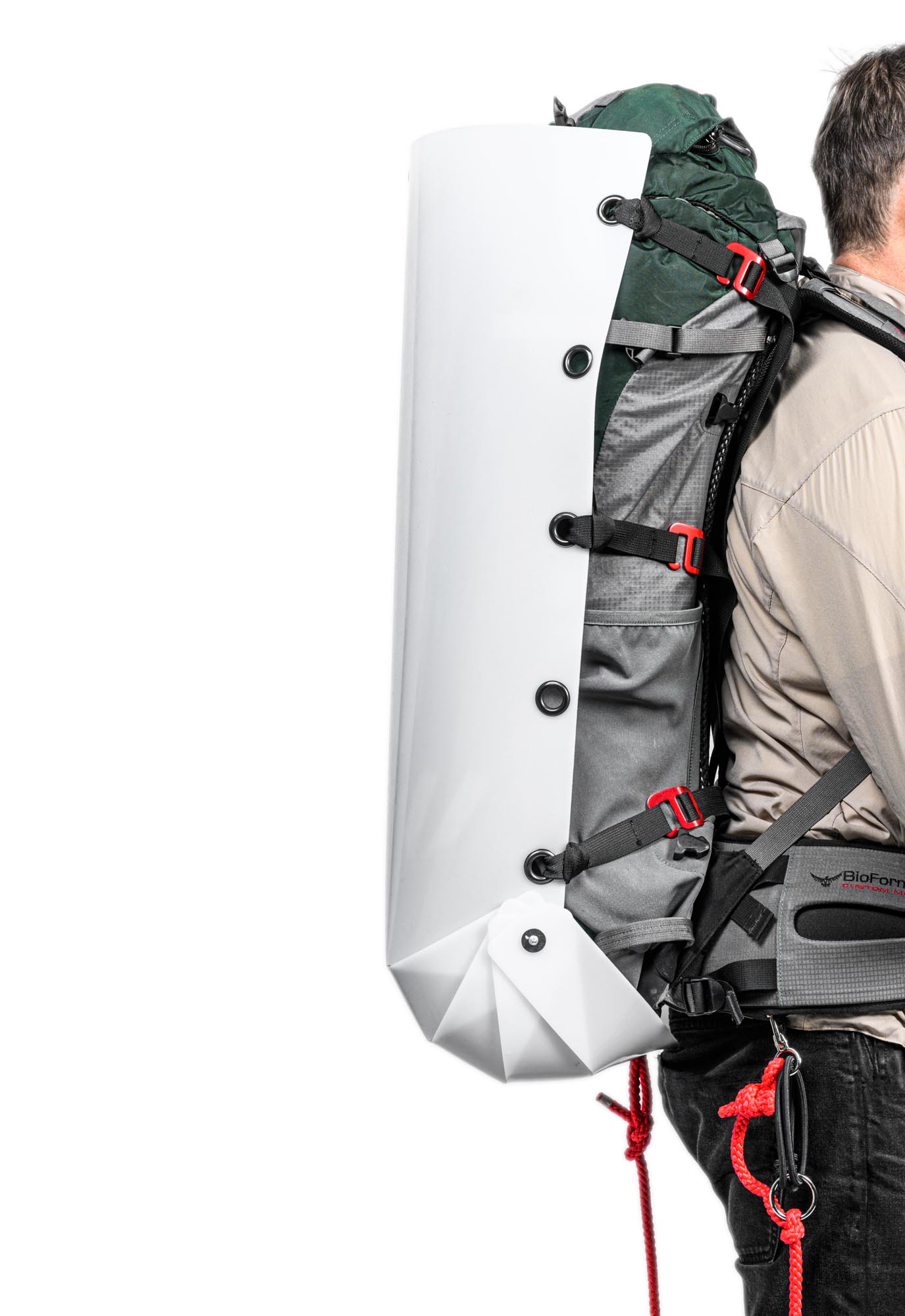
The Jemtlander PullPac is a transport aid for those who normally carry a pack on their back and who also want to be able to pull their rucksack (or bag) behind them when the conditions are suitable. The design of the chassis is adapted to normal-width backpacks in the 60-90 liter range that do not have overly wide side pockets. In steep and/or difficult terrain, it is a great advantage to be able to take the rucksack including the sled on the back.
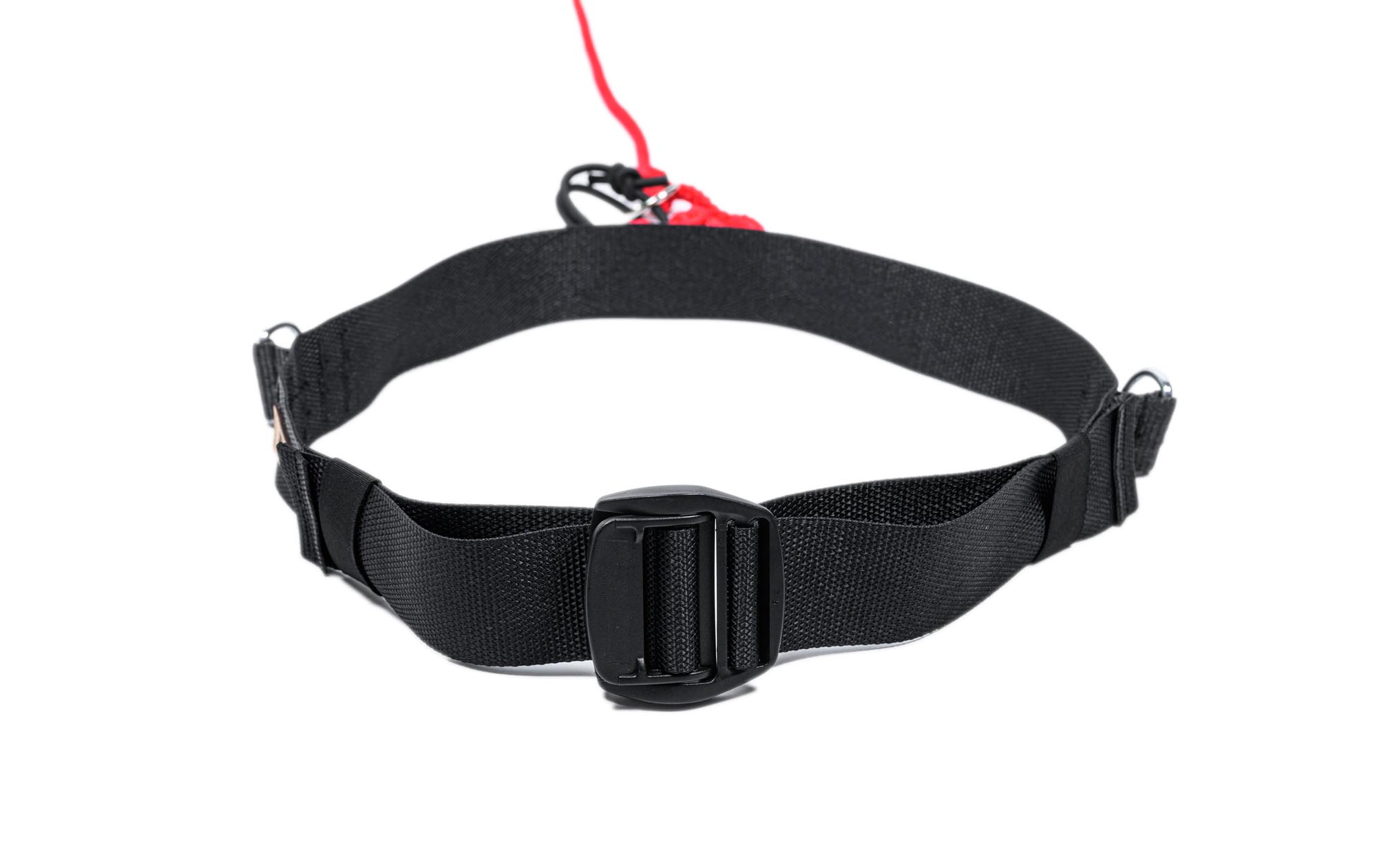
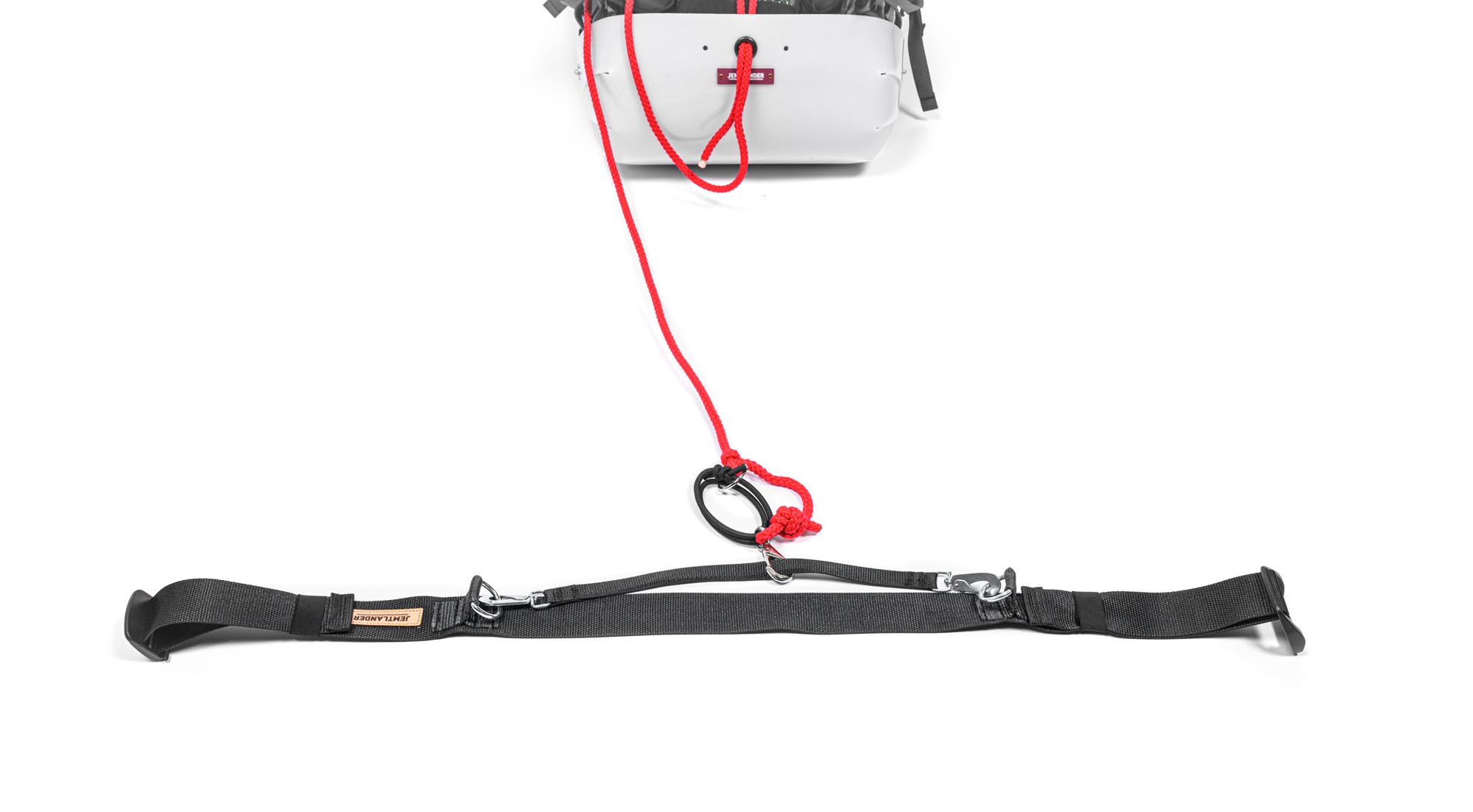
A complete Jemtlander Pullpac 8M consists of a sled chassis with 3 packing straps, a pull belt and a complete pull line with carabiners and built-in suspension. (NOTE! Backpack or bag not included in Pullpac!)
External dimensions: Pullpac 8L is 77 cm long and approx. 45 cm wide in the bow. The width is more flexible along the sides, up to approx. 60 cm, and adapts to the width of the pack. Fits pack volumes of approx. 60-90 liters
Material: HDPE (high density polyethylene) which is UV protected. The material has a thickness of 1 mm
Weight
- PullPak 8L sled chassis only 0.70 kg
- 3 Pack straps 0.10 kg
- Pull belt 0.20 kg
- Pull line 0.20 kg
- Total weight 1.20 kg
Jörgen Johansson, wrote many years ago about a lightweight Pulka he made for an ultralight trek through Sarek nation park, he called that converted pulka "the Ultimate Rulk". Great story of his trek and how he used the pulk. Basically long 5000 word story condensed to a few lines here: He sawed off the back of a tradional orange pulk and strapped it to his backpack so that he could alternate from having the backpack on which is needed through certain areas where there is no trail. To being able to pull it on his pulk without having to change any configuration on the sled itself. So ladies and gentlemen, I present to you the new, improved and excellent "incredible Rulk".
What can I say about this Pulk? It is the perfect winter UL pulk. As the Incredible rulk, you strap this onto your pack and you then can use your pulk as both a sled and protection on your pack in backpack mode. Everything you need is included, no trying to pussle together anything to get the Pullpak to work. I've tried it on multiple packs without issue. From a simple 55 liter UL backpack to a 100L Ymer from Klättermusen. It's perfection in it's simplicity.
Weight:
In totalt with everything you need: 1,20 kilos
So light I could almost see myself trying this on a summer hike when I need more gear with me. Might be worth trying to pull it behind me on open mountain ranges in the summer. Not saying it would work, but I am certainly curious.
Included:
Sled that form to just about any backpack for a nice tight fit. All the straps needed to form it and strap it to your pack and all the ropes and hipbelt needed to pull it behind you.
Conclusion:
There are a lot of sleds out there for winter hiking, but most of them all have the same negatives: They become a real pain in the ass when there is no trail. Heavy, cumbersome and large, a traditional winter backpacking sled can be downright dangerous when their is no trail. This is where the PullPac comes into play - at just 800 grams for the led itself, it allows for quick conversion from sled to backpack in those un-taimed trails. Obviously there are a few drawbacks to having such a pulk solution, but the main one being that because you are limited to the size of your pack, and UL kit is needed for best results. With a traditional sled you can pack everything including all the additional comforts you might want with you. However, with that said, you can fit a 100 liter pack on this thing, so, not sure how much of a limiting factor that is.
All in all, I really like the PullPak, and will be a Pulk that I use for all my winter hikes where I won't be on a trail. Where there is a trail, than I think my massive pulk with dogs and/or snowmobile pulling is a better solution. Jokes aside, the Pullpak is a fantastic addition to the UL hikers kit and you won't be dissapointed.
Plus:
- Ultralight
- Functional design and use
- Everything needed is included
- Easy to use and master
- Fits most backpacks
Minus:
- Not fun going downhill. No stabilizer means the Pullpac eats your heels. So best practice to use as backpack going downhill
- Limited size - so no bringing the kitchen sink
Review by Kenneth Shaw
Video:
Included
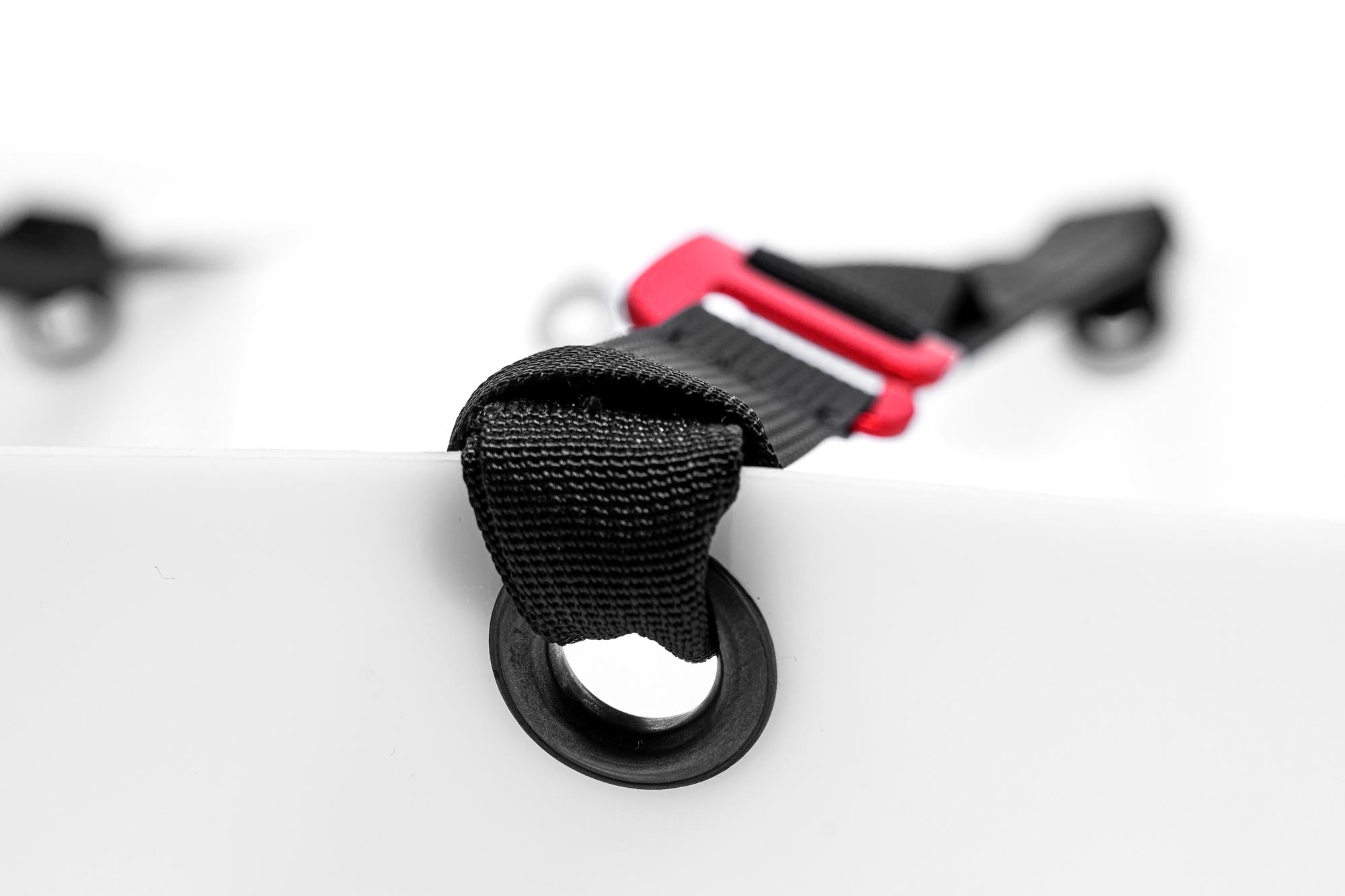
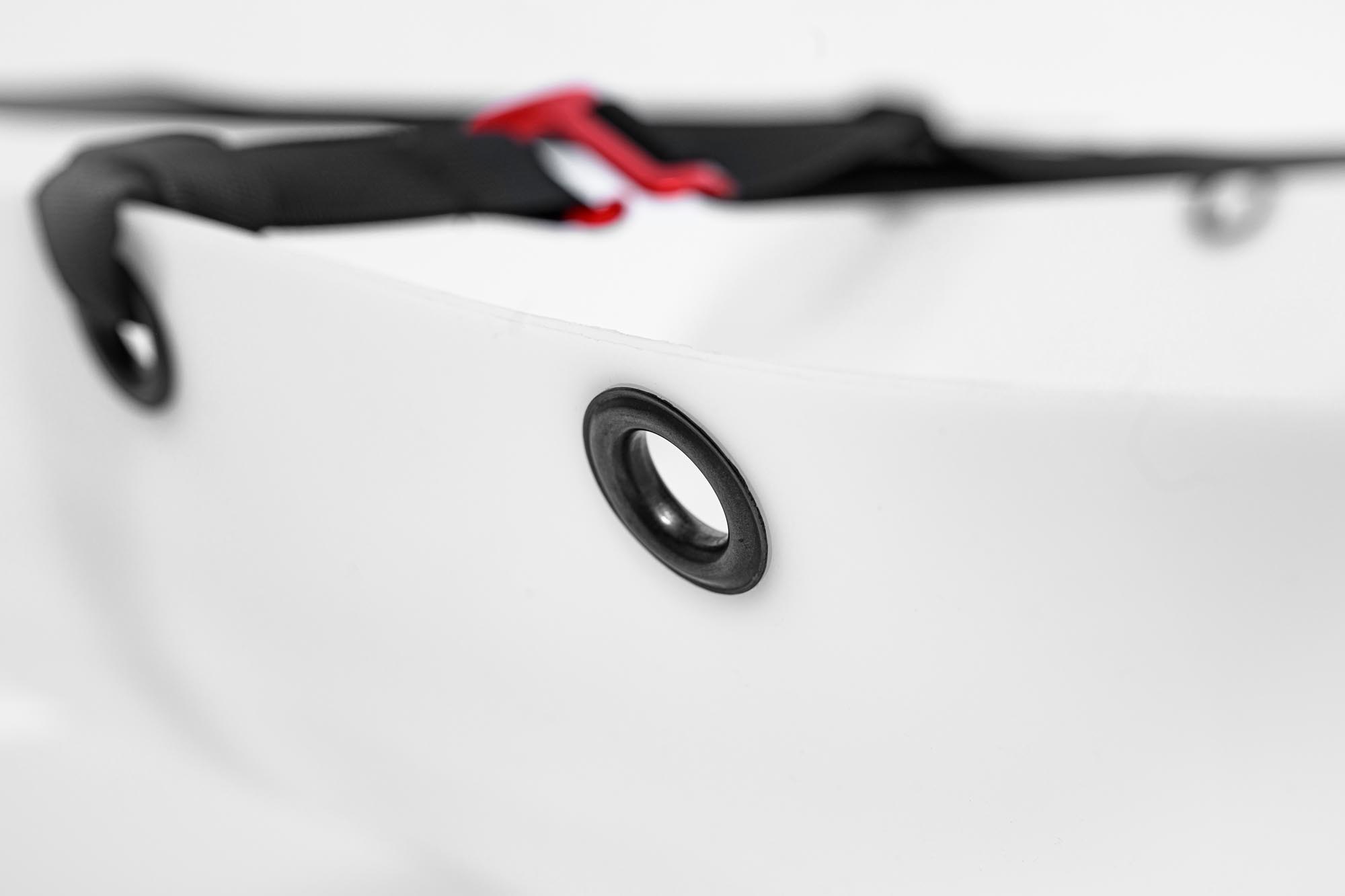
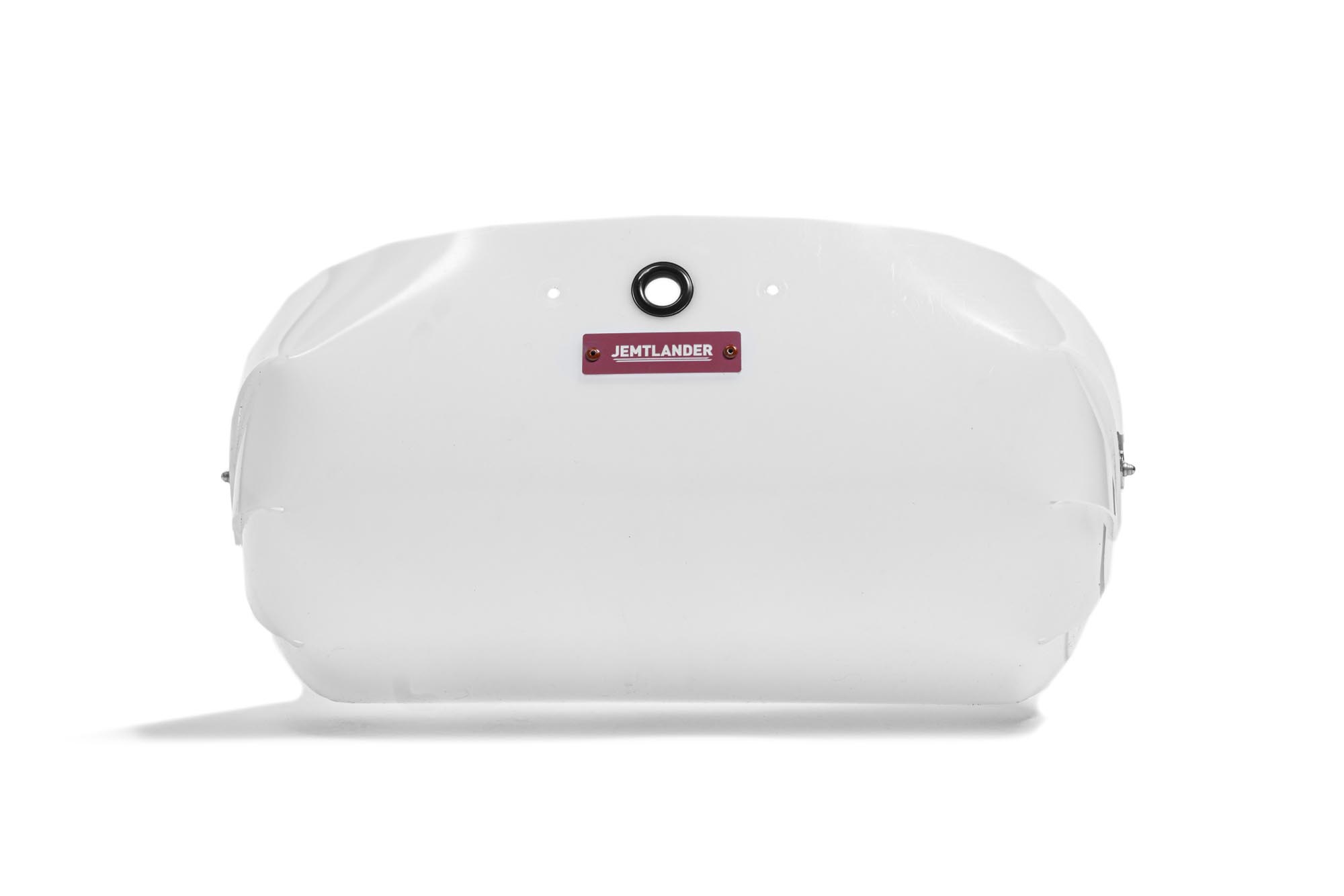
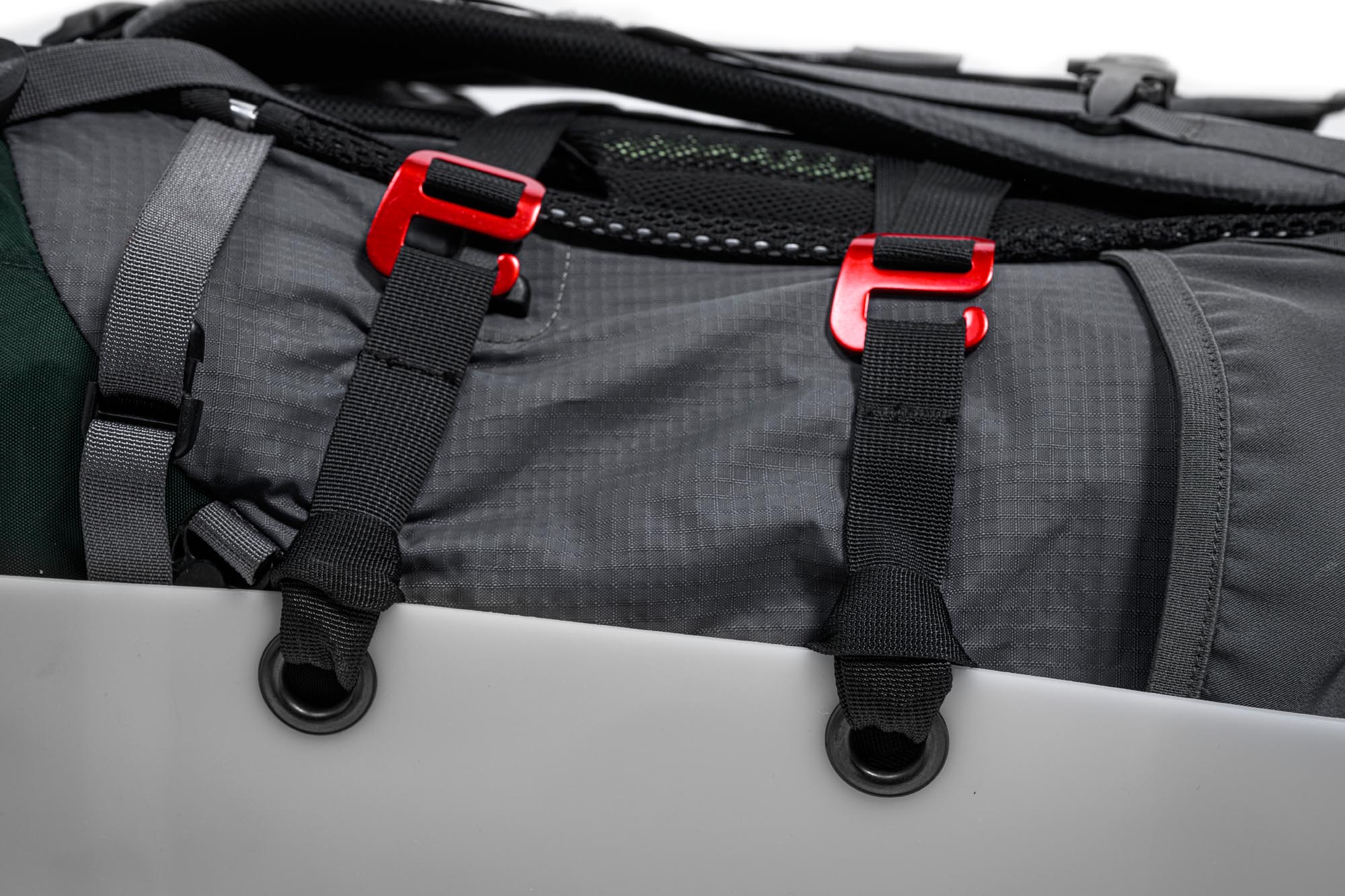
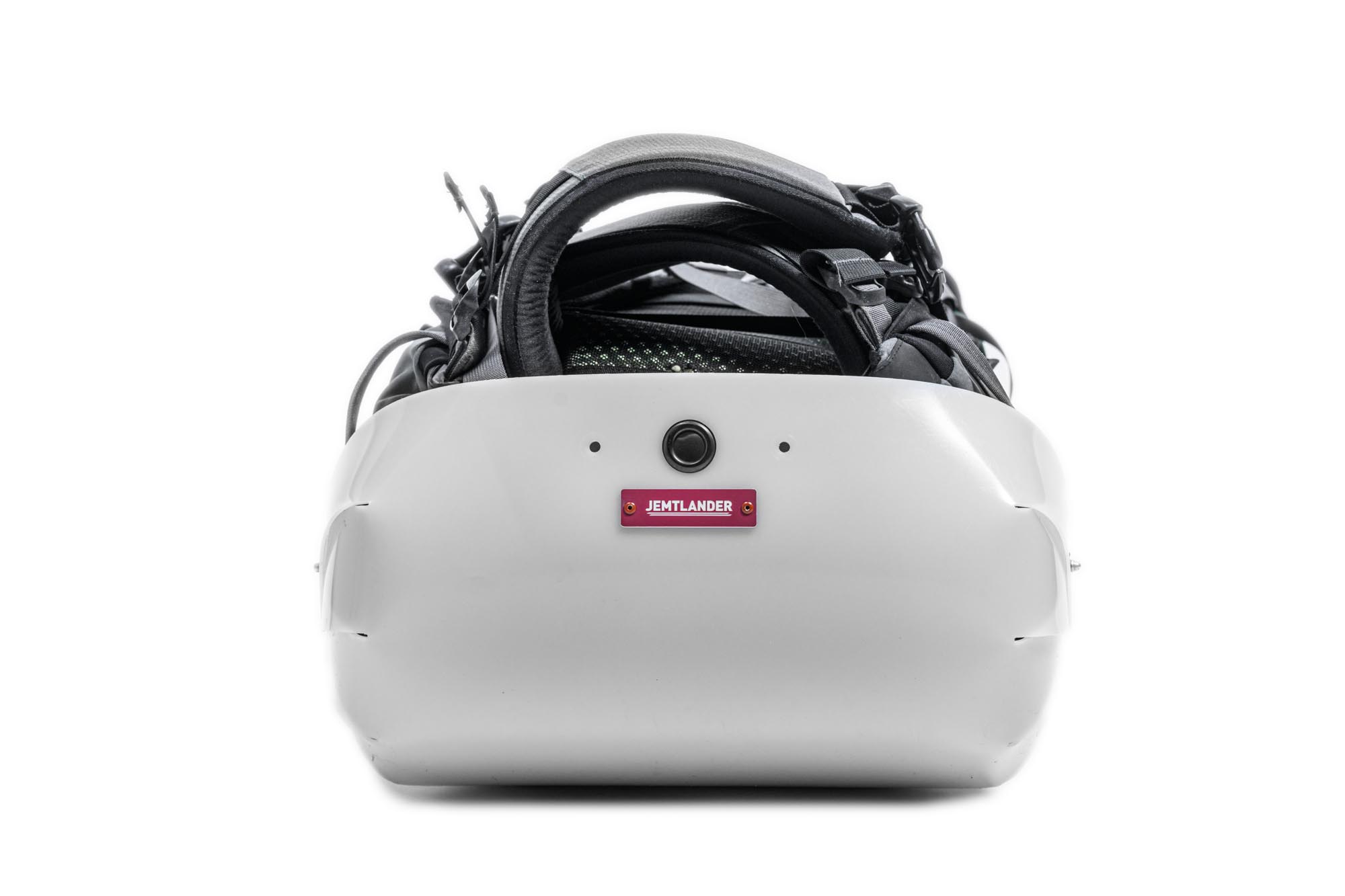
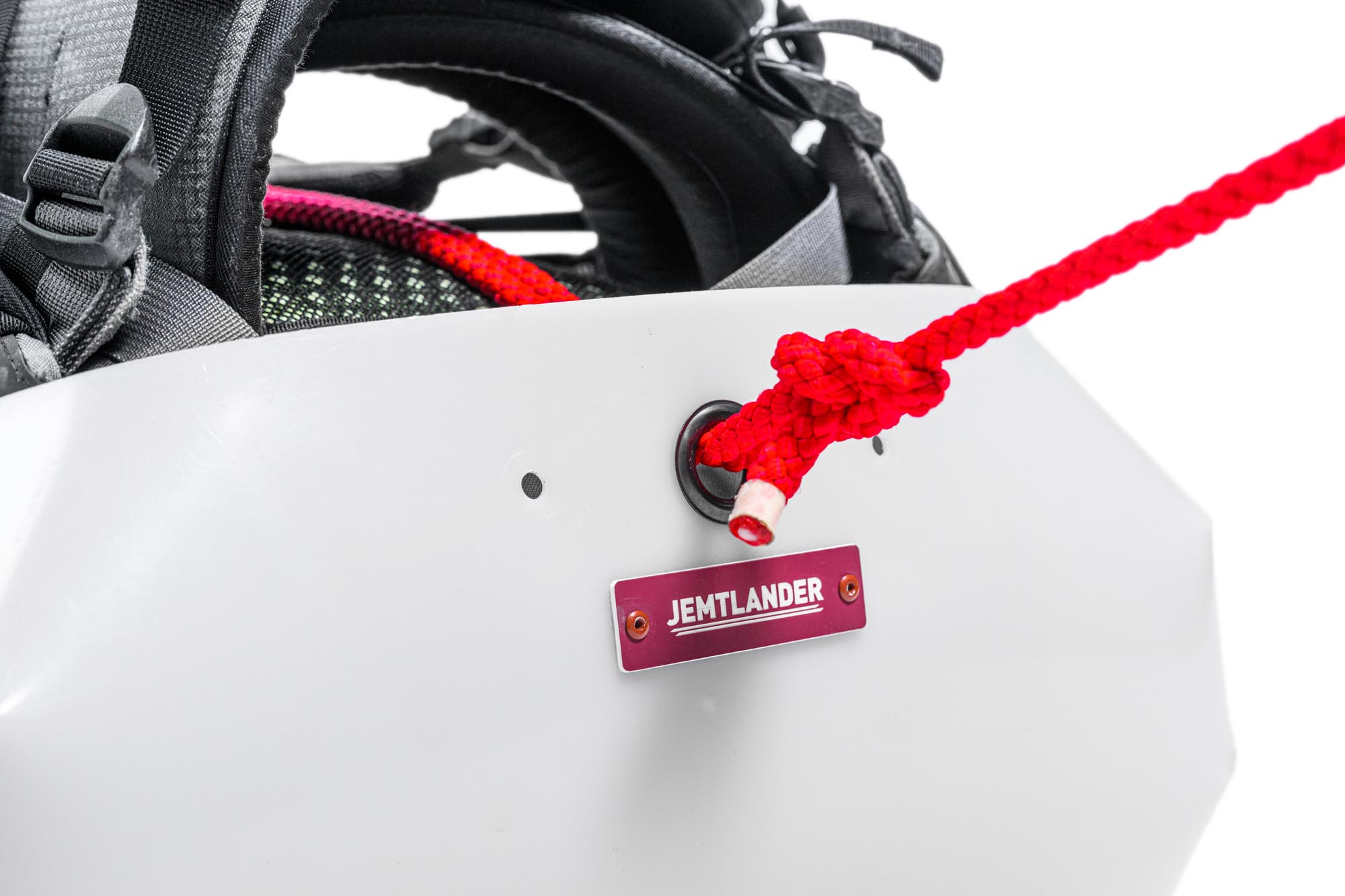
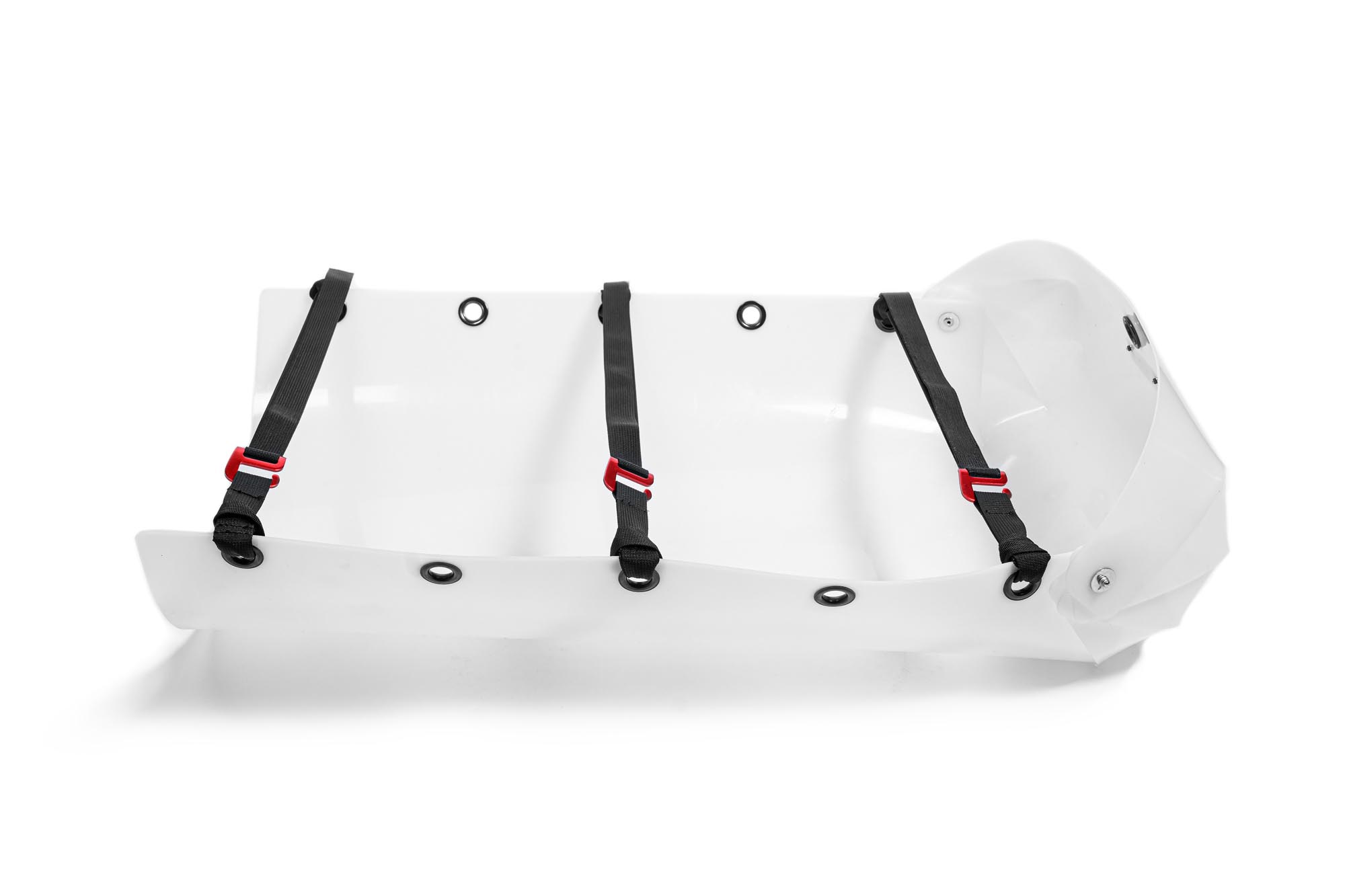
Sledge chassis The chassis is a shell that is fastened to the rucksack whose main task is to let the rucksack slide through the snow. In the front there is a hole with an eyelet in the middle. The drawstring is pulled through the front hole, which is attached to the appropriate place on the backpack/pack. Along the upper edges of both long sides there are 5 eyelets, for attaching packing straps and other straps or cords. All with an inner diameter of 17 mm. The chassis is folded up at the front and open at the back. The fact that it does not fold up at the back is to be able to handle sacks and bags of varying lengths and to be able to open the lid of the backpack with the chassis mounted. The shape opens up many different ways to transport your pack.
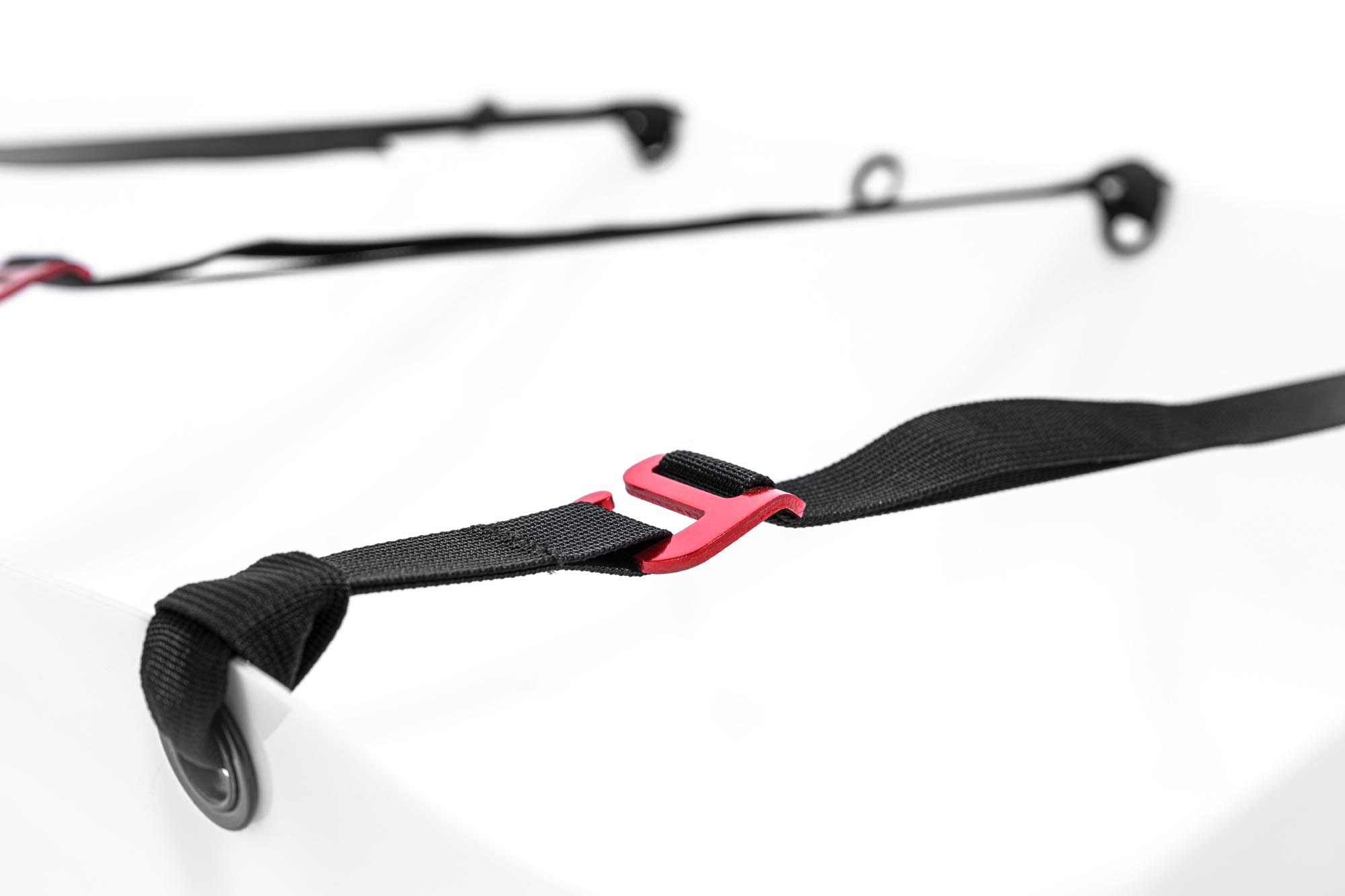
Packing straps PullPac is supplied with 3 packing straps consisting of two parts. The one strap that is attached to the eyelet on one long side of the sled, has a gross length of 100 cm with a G-buckle that is attached to a short fastening strap that is mounted on the other long side of the sled. The task of the packing straps is primarily to fasten the backpack/bag to the chassis, not to tightly tighten other equipment on the outside of the packing
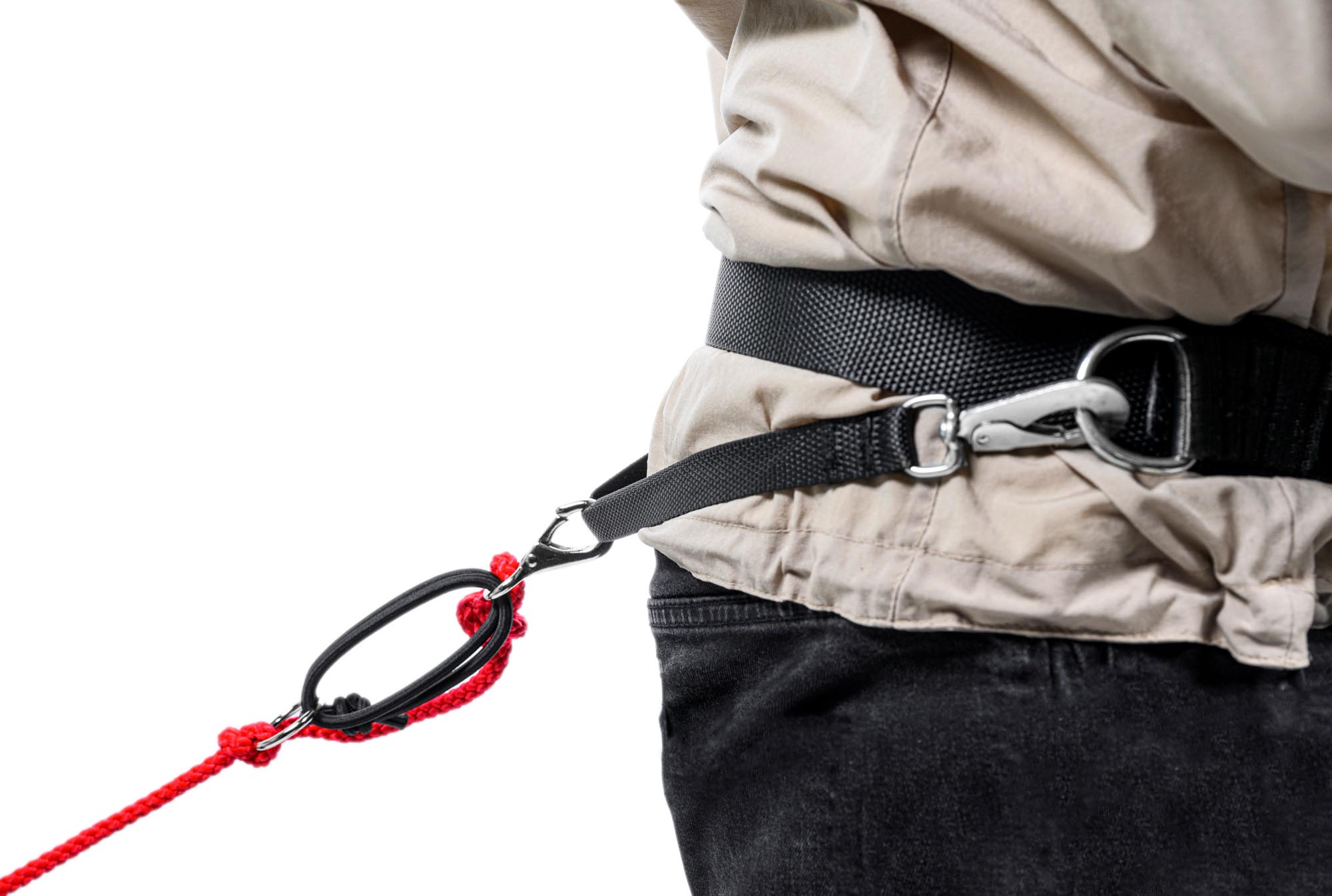
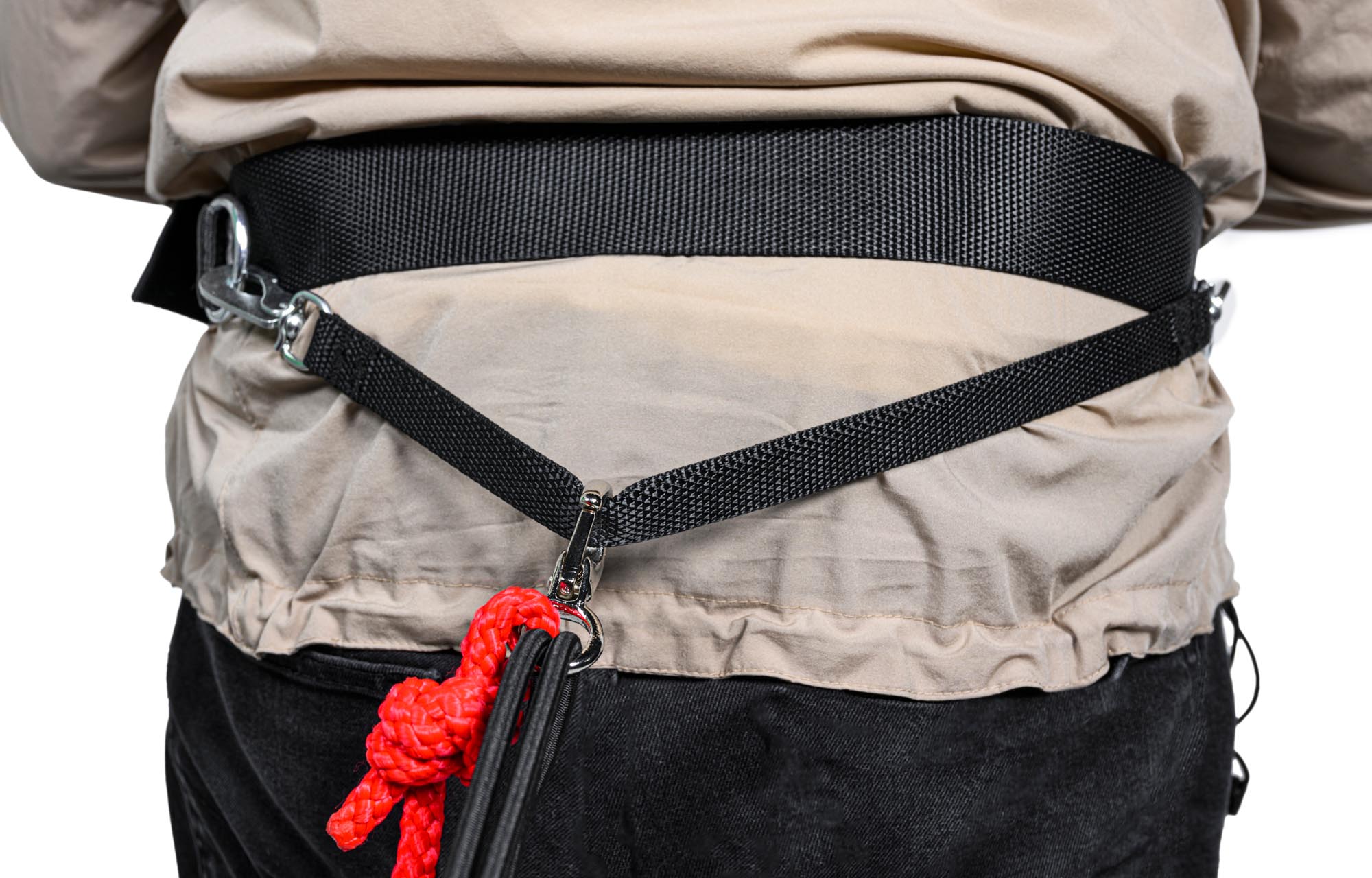
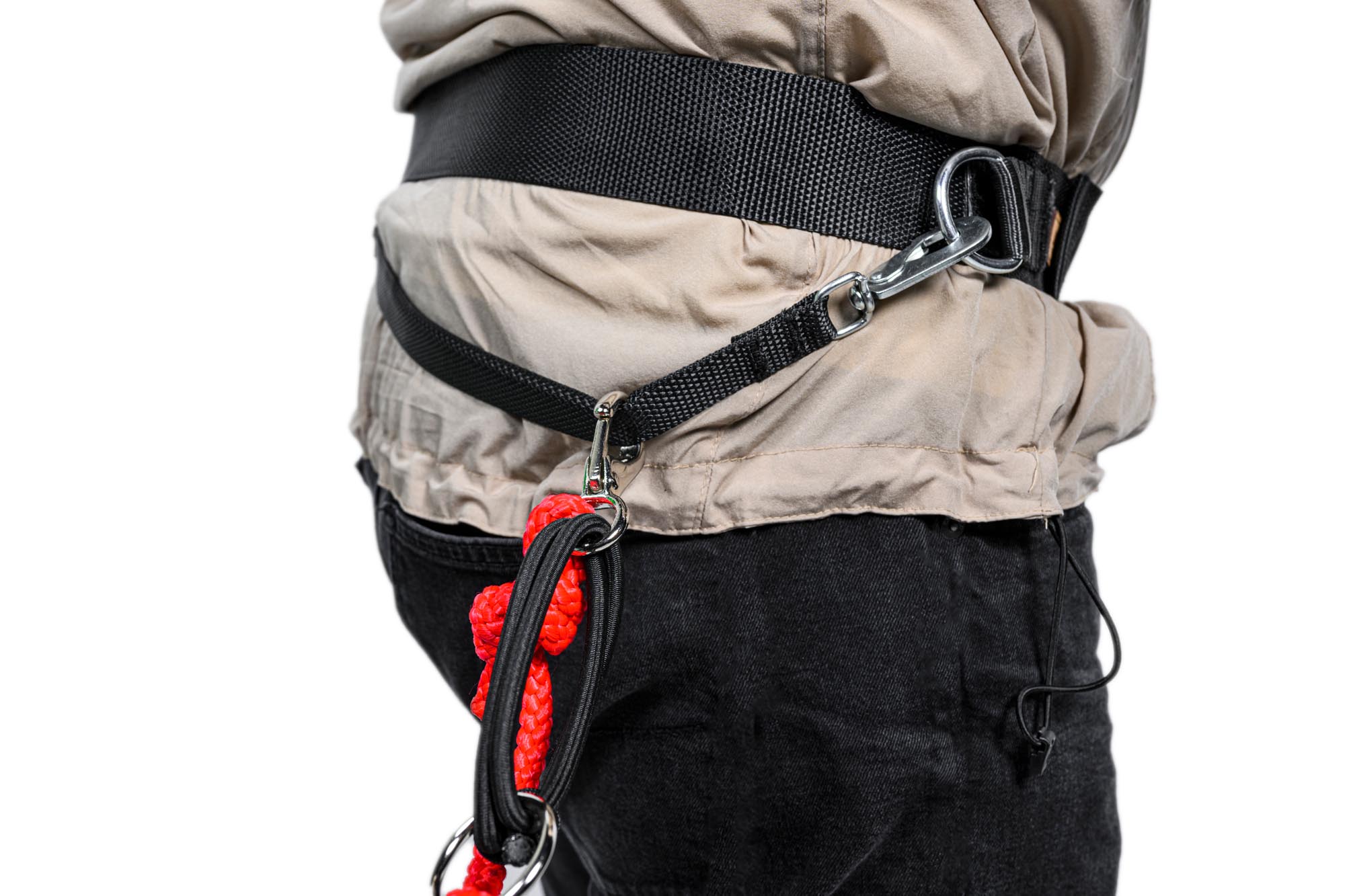
The pull beltis adapted to most people and can handle a waist measurement of 150 cm in its extreme position. The waist closure has a safety buckle that can be quickly opened in a crisis situation. The lack of padding and suspenders is so that it will be possible to fasten the backpack's waist belt over the draw belt. At the back of the pull belt there is a cross strap where you attach the pull line. The construction allows the pull line to move sideways a little depending on where the packing is behind the puller. The construction provides a traction belt with a traction point that distributes the load on both sides of the hip. Since the belt lacks braces, you can also turn the belt so that it is in the most comfortable pulling direction regardless of the position on the equipment, for example in a situation where you are pulling your Pullpac uphill and it is so steep that you place the skis across the slope, completely to the side,
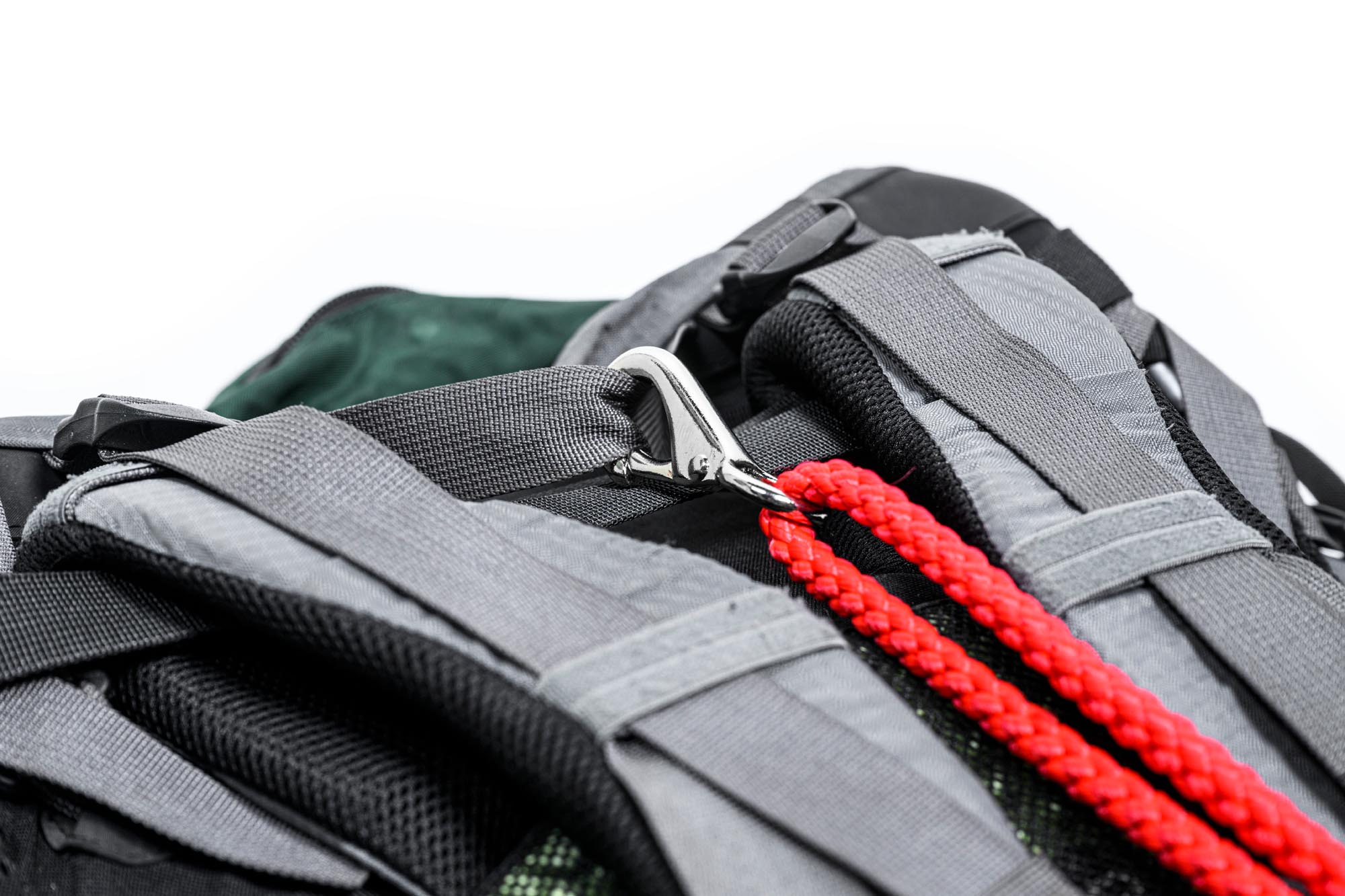
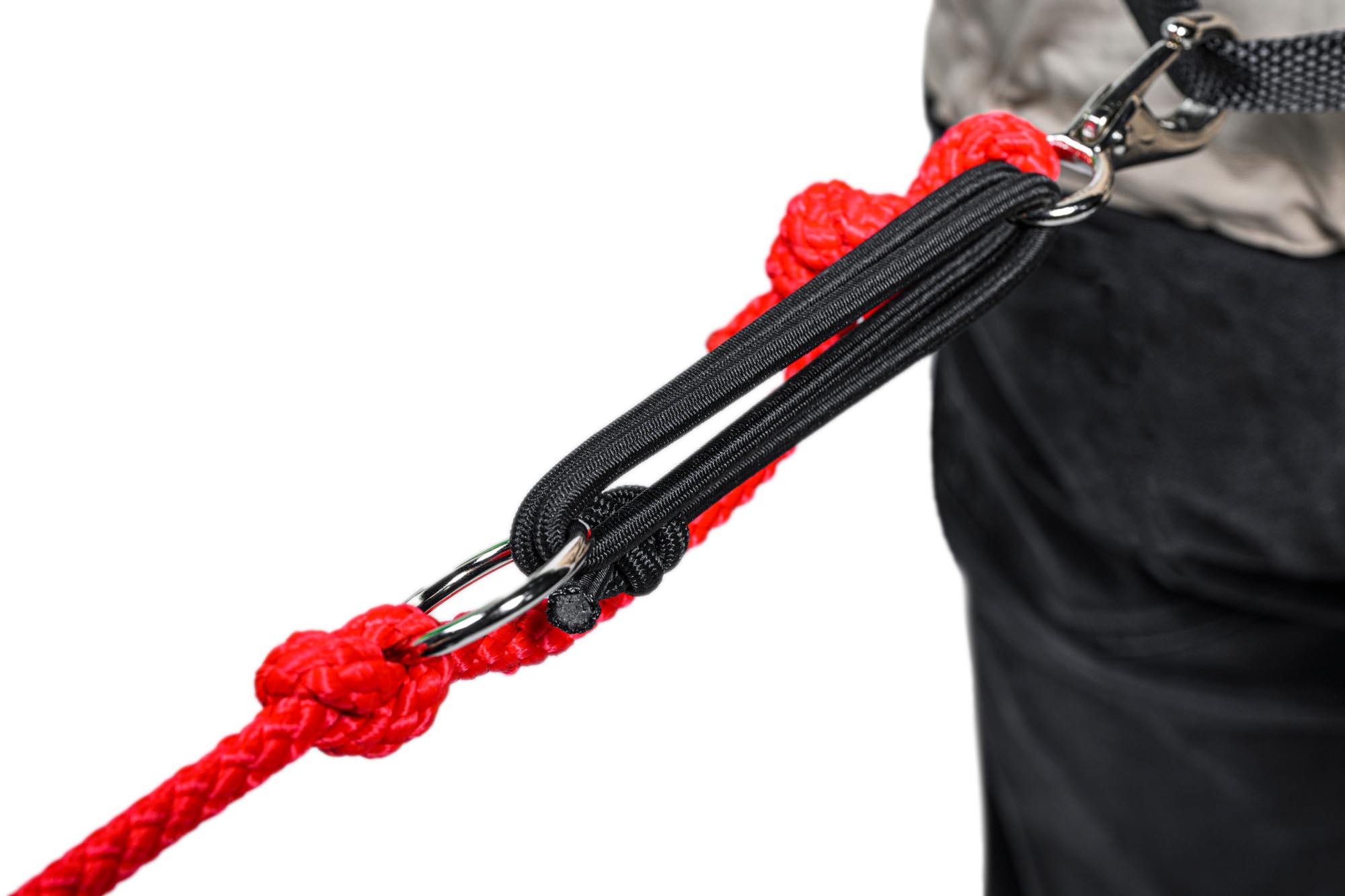
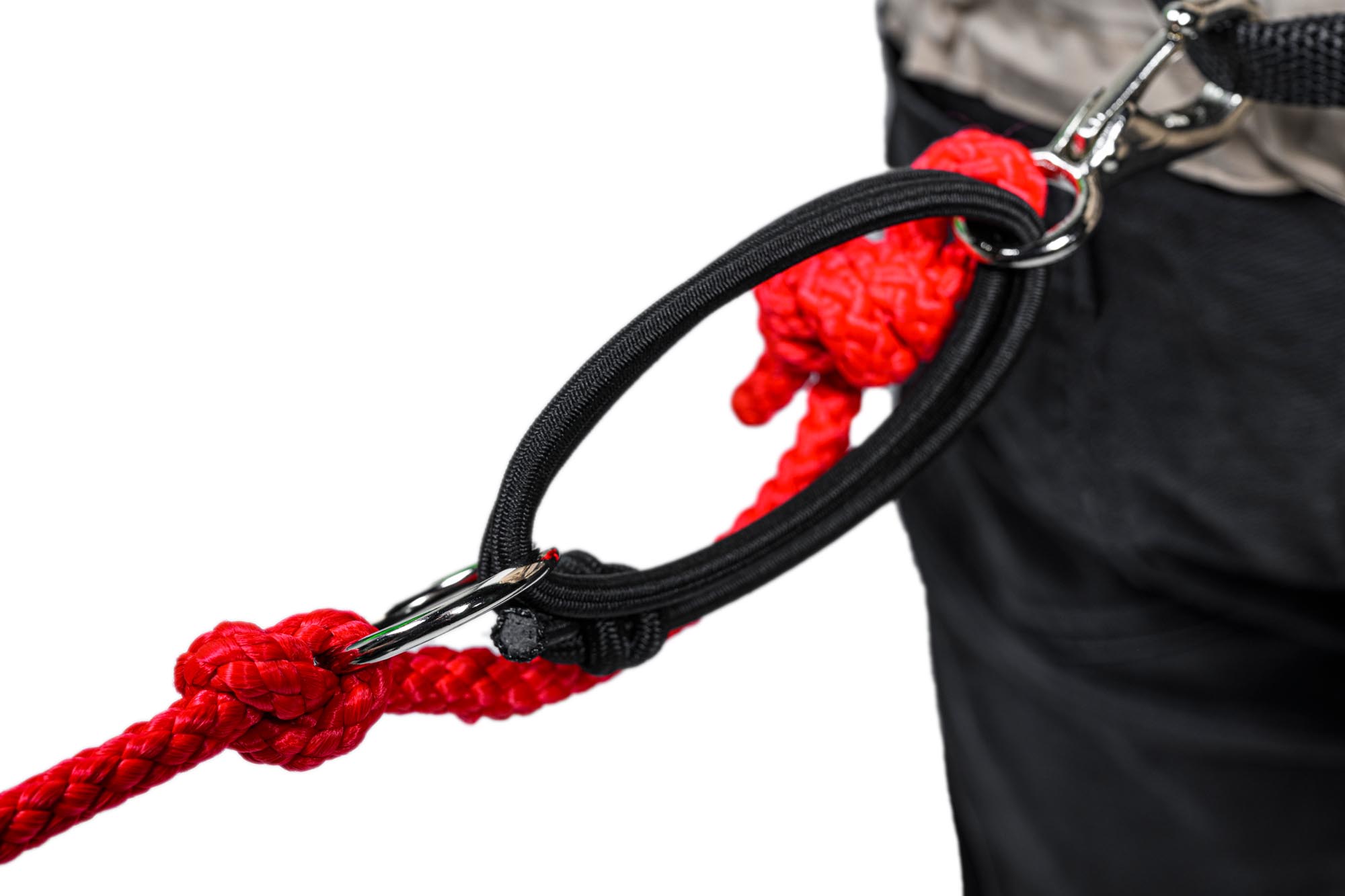
The pull cord with a diameter of 8 mm is pulled through the eyelet at the front edge and is attached in a suitable place a bit into the gasket. The gross length is 4 m in order to be able to fasten the carabiner in the appropriate place and at the same time to be able to achieve the optimal length between the crew and the tug. Suitable rope length between the front edge of the rigging and up to the pull belt on the tractor is approx. 180 - 200 cm. A useful knot is the stake roast, which is both easy to strike and easy to untie as well as reliable, , see a short film here . About 20 cm from the attachment in the Pull Belt there is a ring with a rubber cord that reduces the shocks that occur in various contexts when the packing is pulled. The way the rubber cord is attached to the pull line makes it perfectly possible to continue pulling the pack even if the rubber cord breaks.
Detailed information
– Getting around in the winter with a pack, normally means a significantly greater pack weight than in the summer. This normally results in a hot and sweaty back. Carrying the winter pack is both quite tiring and normally results in sore shoulders and hips. When you pull the pack, you get rid of both the weight on your shoulders and the heat shield that traps the heat on your back.
- Another advantage of PullPac is that as soon as you stand still and rest, there is no weight on your back.
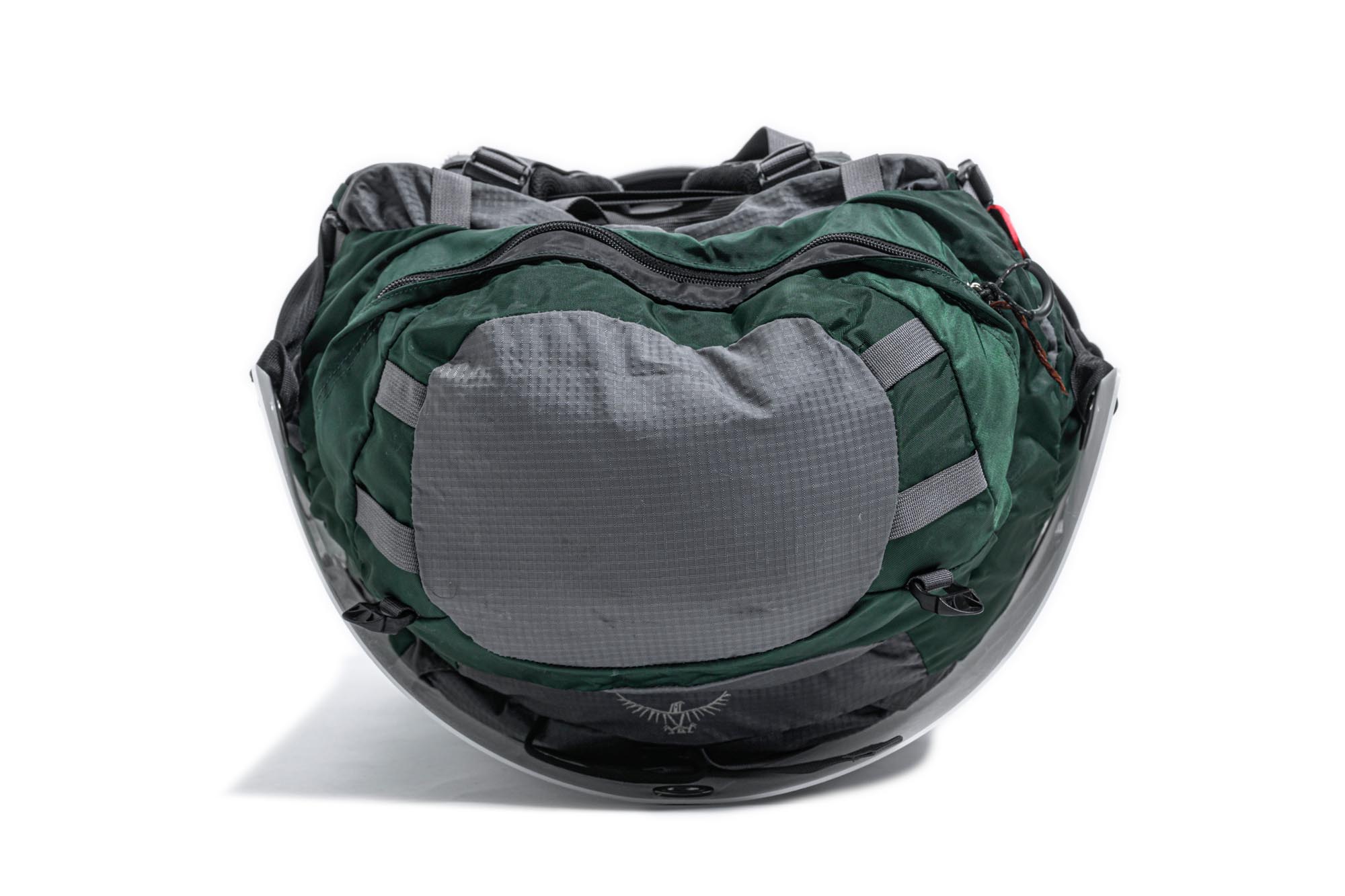
- PullPac works best if the lower part of the rucksack is pressed against the front of the chassis, with the carrier belt upwards.
- PullPac has a thin chassis that makes the backpack or bag slide on the snow. It's not a sledge with sleds, stable shekel and strong packing straps. Therefore, a slightly different riding technique and a different way of handling it is required. If you choose to leave the rucksack on the snow when going downhill or when the ground slopes sideways, it is best if you pull the rucksack towards you and hold it with one hand on a short rope at the side of your body during the downhill run. Both wands are held in the other hand.
- On tours where you can sometimes encounter sections without snow, it is good to be able to pick up the sled on your back.
- The backpack's shoulder belt can also be helpful when driving downhill. By fastening the belt over the towline and riding behind, you can slow down with the crew in front of you.
- For those who want to minimize the weight, the Pullpac can be attached to the pack with a thin string or line and pulled with a different rope than the pull line included in the complete package.
- The chassis can be rolled up during transport or packed on the outside of the bag/backpack on the journey to where the tour begins.
- For those who know that they will be pulling the pack more than carrying it on their back and who also want it to handle slightly harder conditions and poorer surfaces, the Pullpac 8M is available with a material thickness of 2 mm. And if it is a question of larger packing volumes, we recommend our larger model Pullpac 11 M.
- It is easy to process the hull with a drill, knife and other tools for those who want to make their own modifications